In construction, every element plays an important role, but choosing the right materials for the foundation is particularly important. One of the most popular and widely used solutions is precast concrete foundation blocks. These structural elements provide a solid base for various types of buildings and structures, playing a key role in the durability and stability of the future construction. In this article, we will take a closer look at what FBS blocks are, their characteristics, applications, and advantages.
What Are Concrete Foundation Blocks?
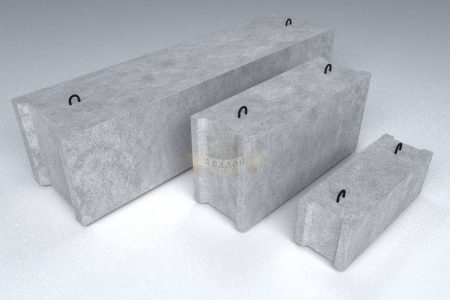
Foundation blocks are reinforced concrete elements designed to create a strong and stable base for various buildings. These blocks are used to construct foundations that must withstand significant loads and ensure the stability of a structure. FBS blocks are available in different sizes, shapes, and types depending on the specific requirements of a project, allowing builders to adapt the material to various conditions.
These blocks received their name because of their direct application in foundation construction. FBS blocks typically have a rectangular shape and may differ in length, width, and height. Depending on their dimensions, they can be used for standard buildings as well as more complex structures, such as apartment buildings, industrial facilities, and transport infrastructure.
Technical Specifications of FBS Blocks
One of the main advantages of foundation blocks is their composition. They are manufactured from high-quality reinforced concrete, combining the strength of concrete with the reliability of reinforcement. This makes FBS blocks an excellent choice for creating durable and stable structures.
Main Parameters
Block dimensions: Standard FBS dimensions typically range from 2,400–2,500 mm in length, 600–800 mm in width, and 400–600 mm in height. However, blocks with non-standard dimensions can be manufactured depending on the specific requirements of a project.
Strength: FBS blocks have high compressive strength, allowing them to be used in a wide range of conditions. The blocks can have strength grades of B15–B25, providing reliability and durability for the foundation.
Moisture resistance: These blocks are resistant to moisture, which is particularly important when operating in regions with high humidity or areas with groundwater.
Concrete quality: Foundation blocks are manufactured using concrete that undergoes strict quality control, ensuring the strength and long service life of the blocks.
Applications of FBS Blocks
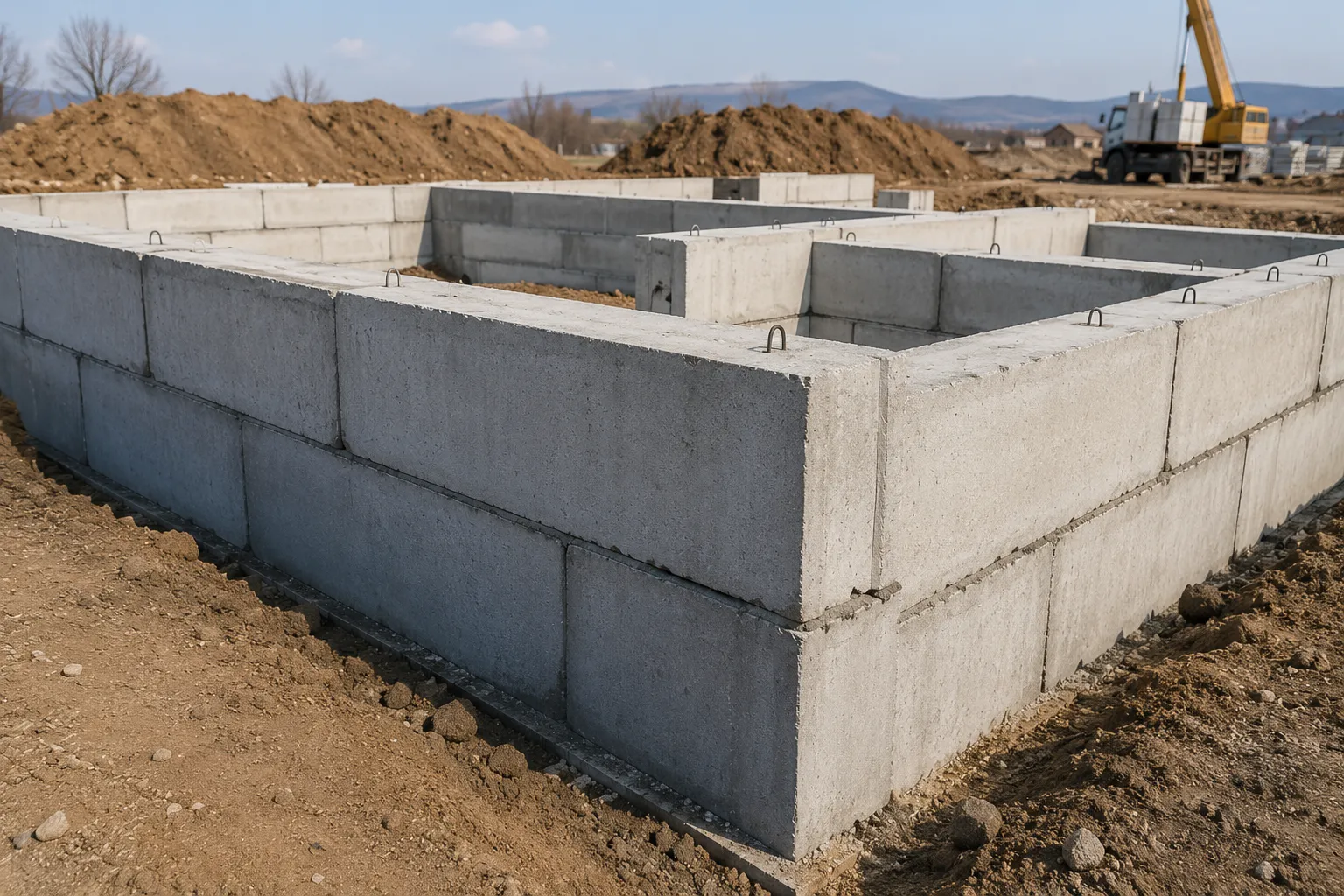
Foundation blocks are widely used in various areas of construction. Their strength, resistance to external factors, and ease of installation make them an essential solution for foundations ranging from small private houses to large industrial facilities.
1. Residential and Commercial Buildings
The primary application of FBS blocks is the construction of foundations for residential buildings, retail facilities, and office buildings. Using foundation blocks for such projects provides the required stability and durability of the structure while reducing material and labor costs compared with traditional foundation construction methods.
2. Industrial Construction
FBS blocks are widely used in industrial construction for foundations supporting heavy buildings such as warehouses, factories, transport terminals, and other facilities. This solution is particularly suitable for structures exposed to significant loads.
3. Road and Bridge Construction
Concrete foundation blocks are also widely used in the construction of roads, bridges, and other transport infrastructure. Their strength and load resistance make them effective for creating stable and durable bases for transport structures.
4. Utility Infrastructure
In the utilities sector, FBS blocks are used to create foundations for various installations and equipment, including pumping stations, wastewater treatment facilities, and other important infrastructure facilities.
Advantages and Features of FBS Blocks
When it comes to construction, properties such as strength, durability, and resistance to external factors are essential. FBS blocks offer a range of characteristics that make them one of the most popular and widely used materials for foundation construction.
1. Durability and Load Resistance
One of the key advantages of foundation blocks is their high strength. FBS blocks can withstand both static and dynamic loads, making them suitable for buildings and structures subject to significant loads, including multi-storey buildings, industrial facilities, and transport infrastructure.
2. Resistance to External Factors
Foundation blocks are resistant to moisture, temperature changes, chemicals, and other external factors. This makes them suitable for use in challenging climatic conditions and areas with high humidity. The blocks are not susceptible to corrosion, and their surfaces do not deform under the influence of the external environment.
3. Easy and Fast Installation
The installation of FBS blocks is relatively simple and does not require complex technologies. The blocks can be easily installed on a prepared base, significantly accelerating the construction process. Using foundation blocks reduces the time required to construct a foundation, which is particularly important for large-scale and time-sensitive construction projects.
How to Choose FBS Blocks for Construction?
When choosing concrete foundation blocks, it is important to consider several factors. First of all, the dimensions of the FBS blocks should be selected according to the soil conditions and the required structural strength. It is equally important to choose blocks that meet all the requirements of the project and its operating conditions.
In addition, attention should be paid to the FBS manufacturer, as product quality plays a key role in the durability of the foundation. It is best to choose established companies with a good reputation that can provide guarantees for their products.
Conclusion
Concrete foundation blocks are a reliable, durable, and cost-effective solution for creating a strong foundation for various types of buildings and structures. Their use helps ensure the stability and safety of structures for many decades, regardless of the type of construction.